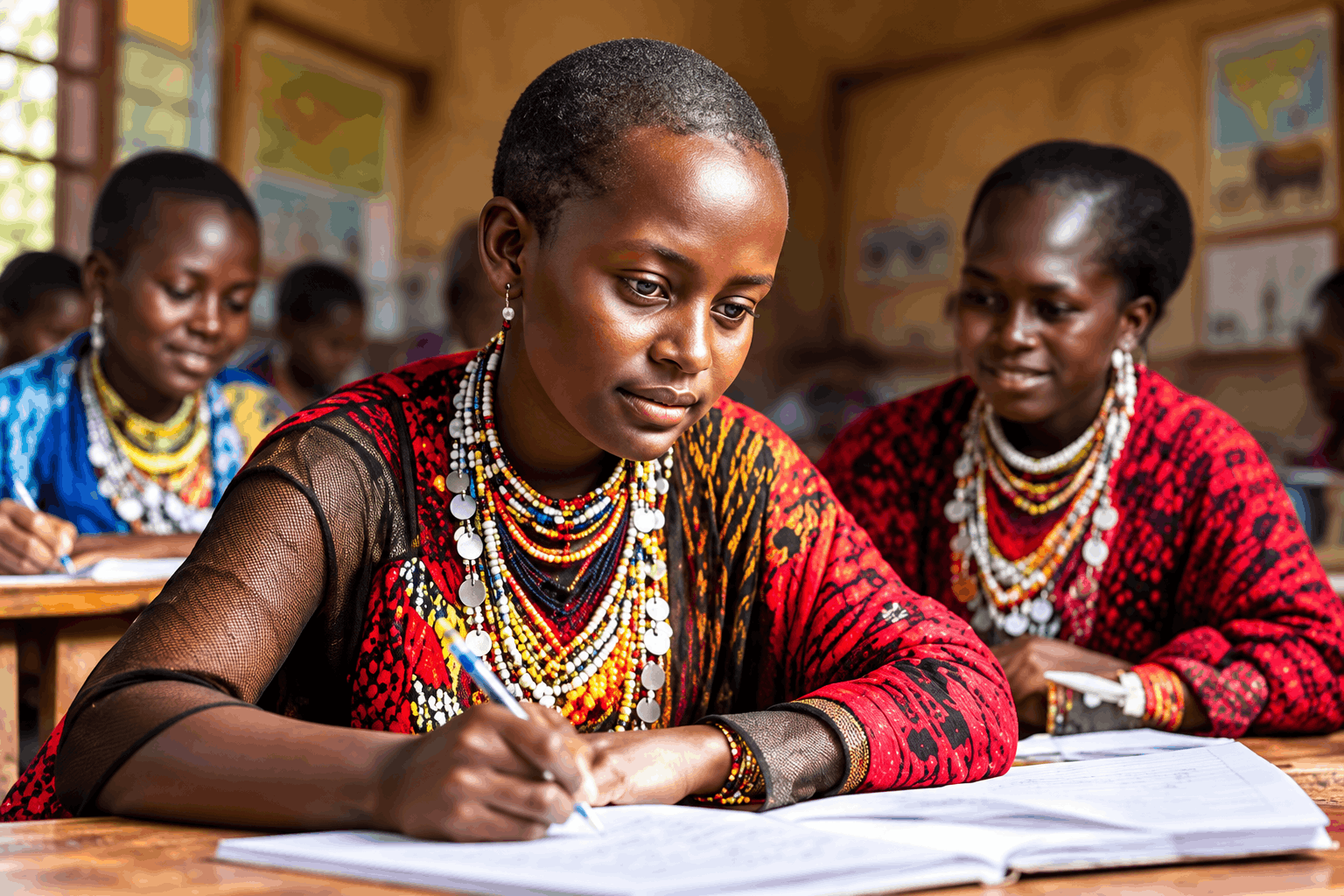
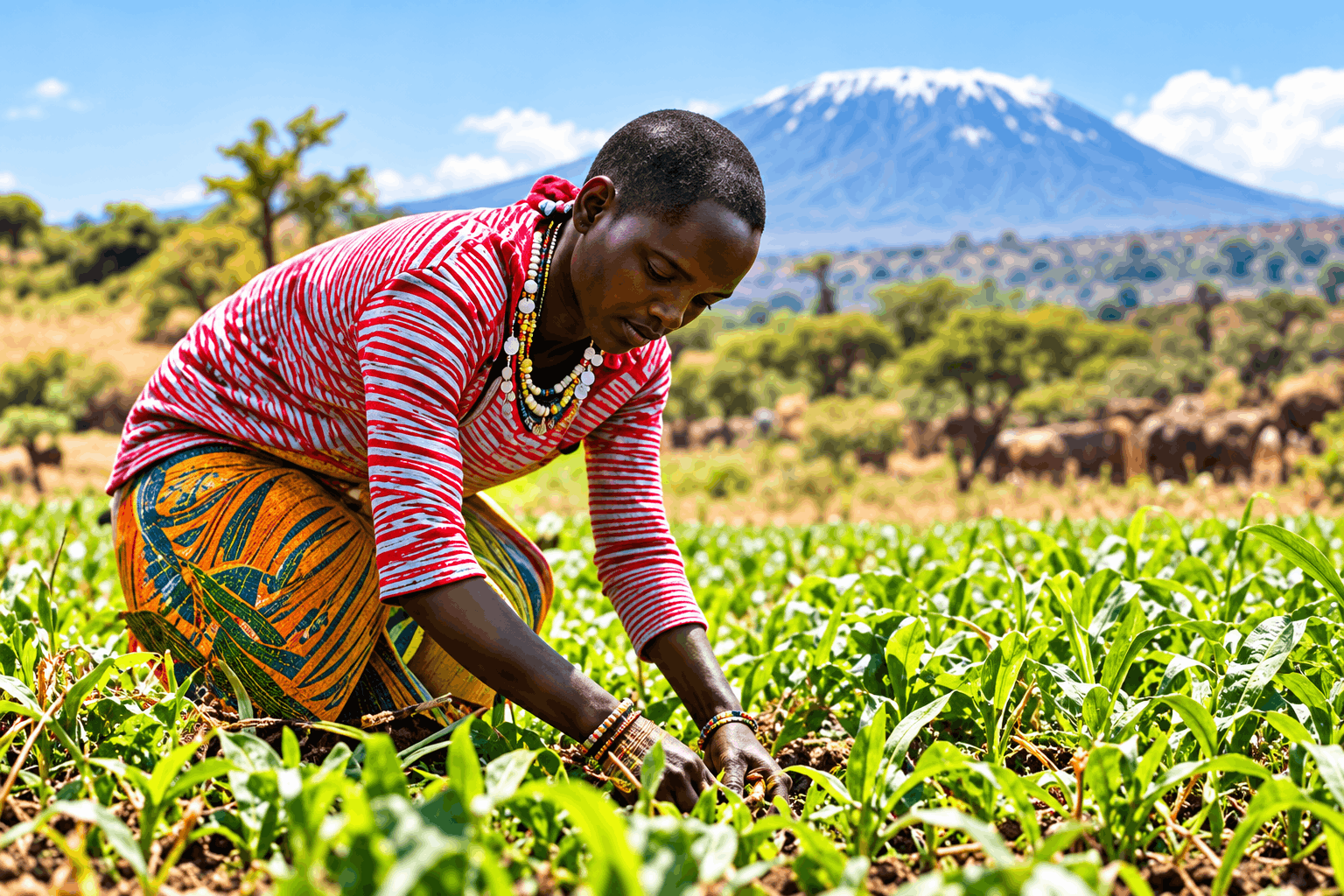
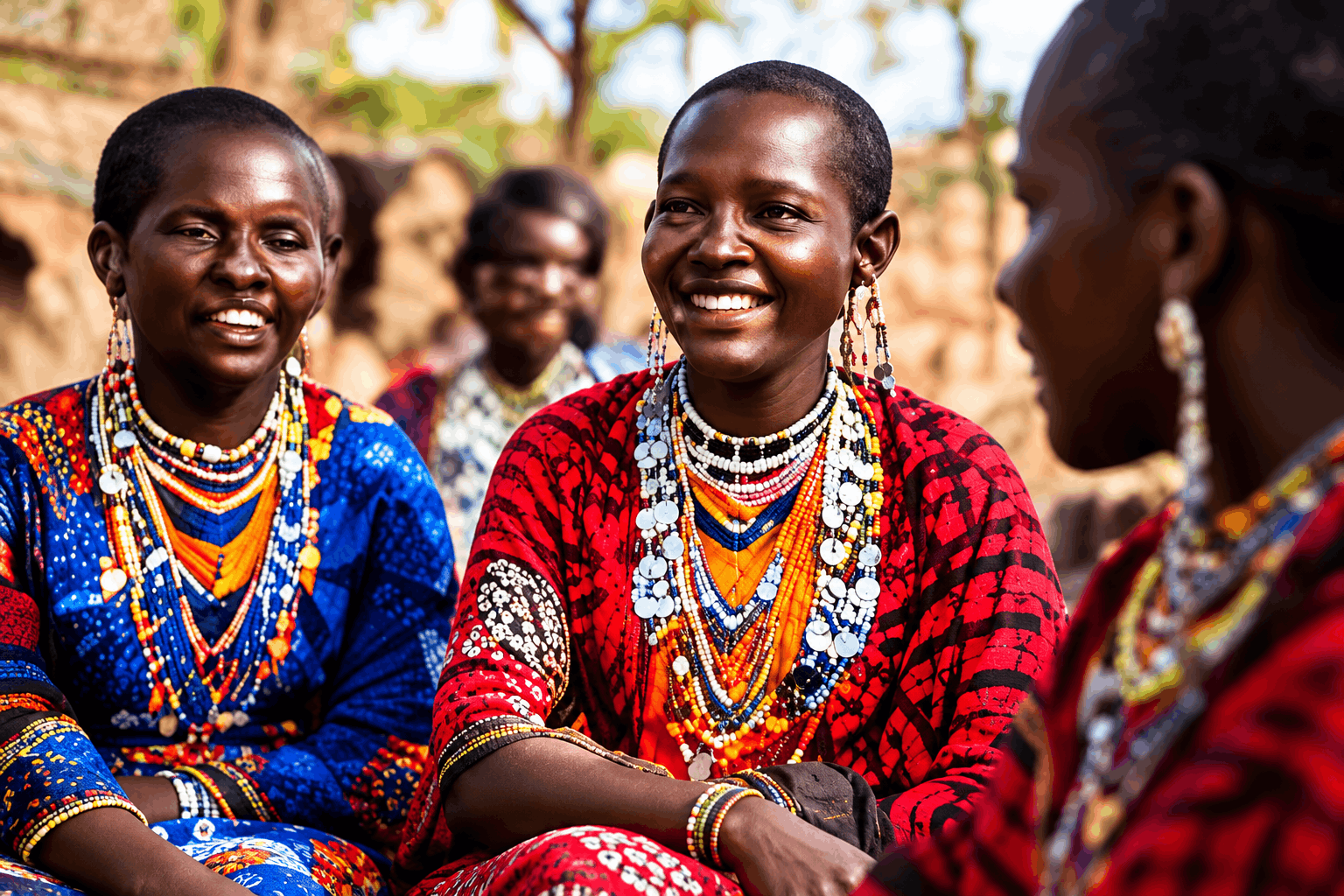
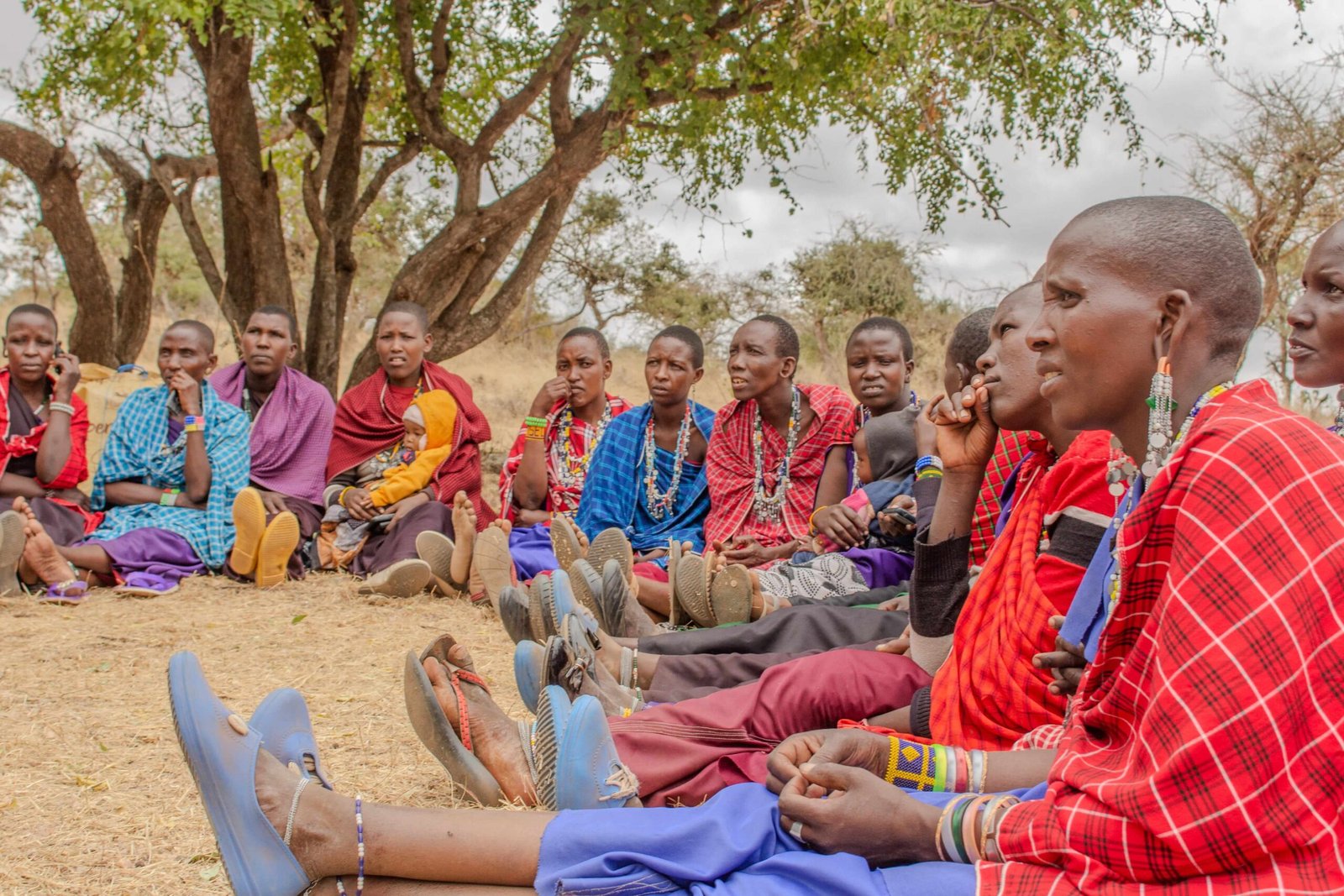
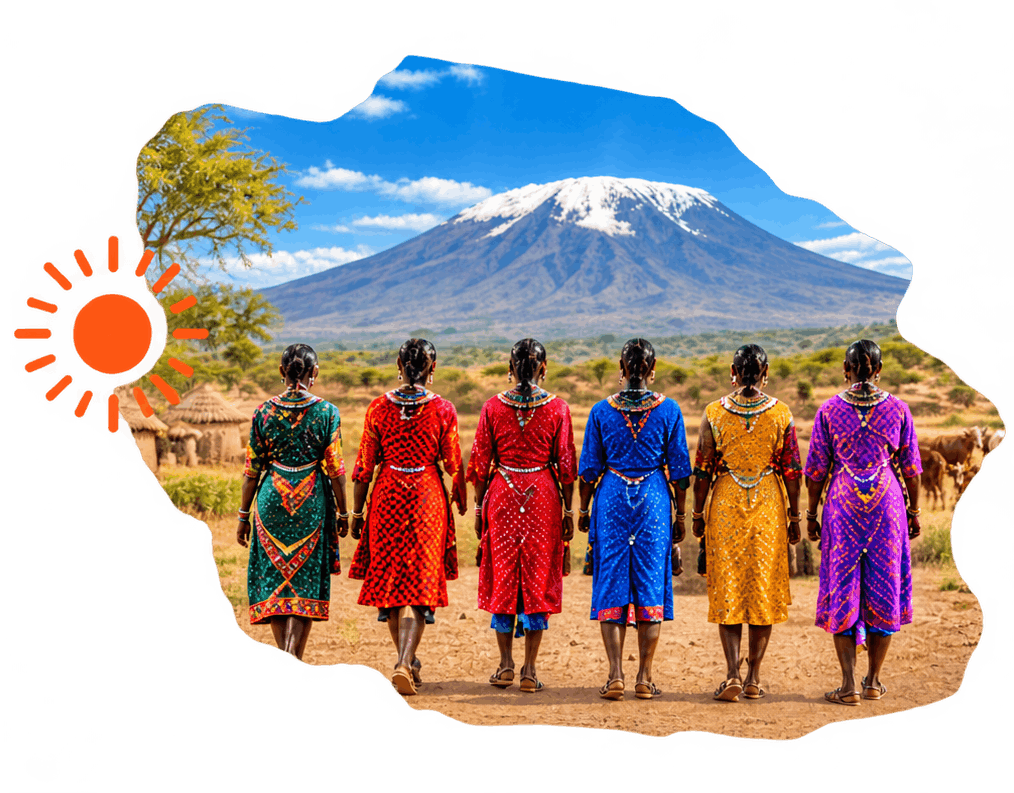
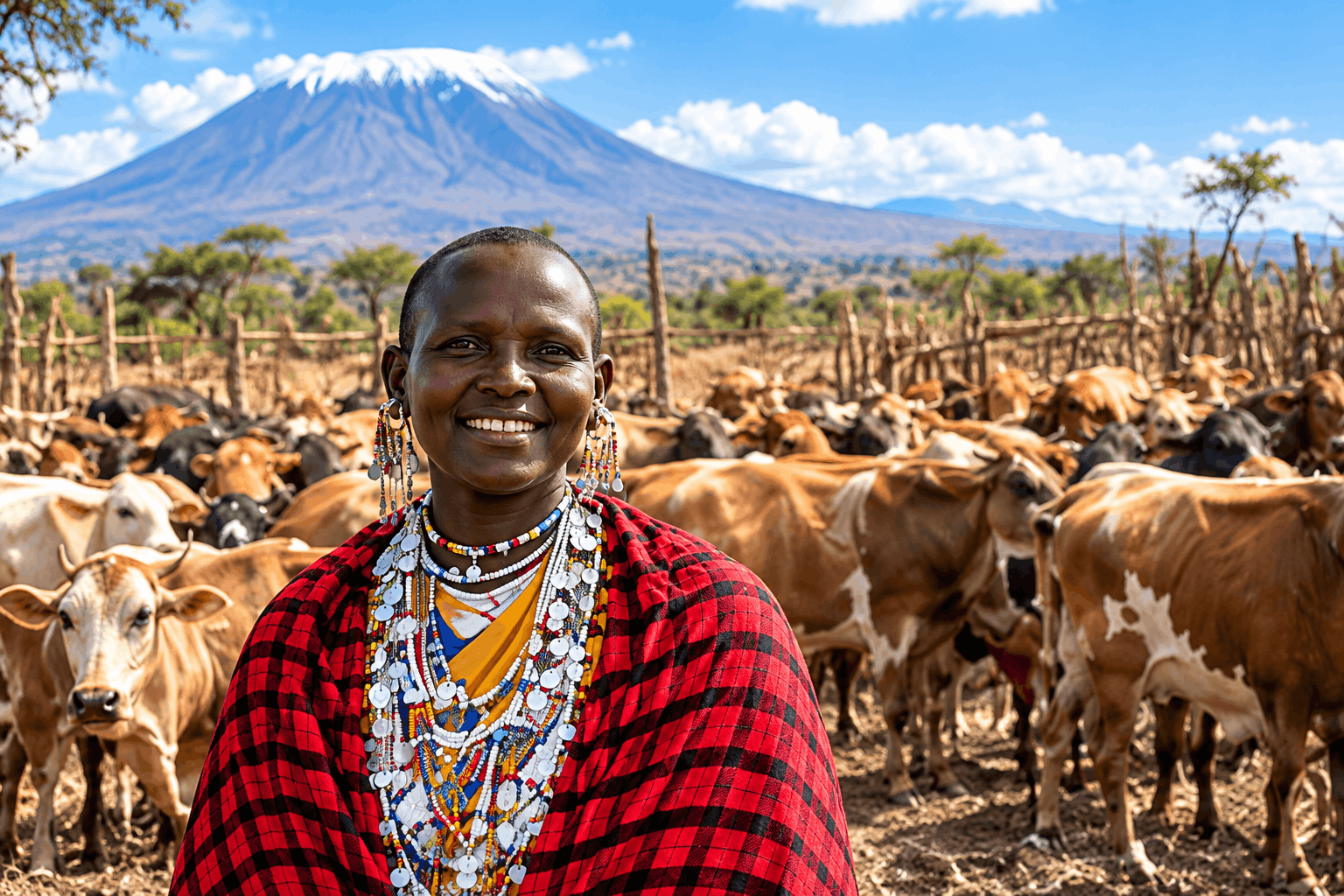
For nearly three decades, Pastoral Women’s Council has worked alongside pastoralist women and girls to create change that reaches from individual households to entire communities. The numbers tell part of that story. The deeper impact can be seen in women with greater control over their livelihoods, girls with new educational opportunities, communities strengthening their resilience, and women increasingly participating in decisions that shape their futures.
Real people. Stronger communities. Lasting change.
These numbers reflect the collective strength of pastoralist women, community groups, and partners working together for a more just, equitable and resilient future.
10,000+
Indigenous pastoralist women connected
72,000+
People with improved water access
6,000+
Women supported with land rights
25,000+
Women & female youth reached annually
3,000+
Girls supported through scholarships
45,000+
Community members reached through health outreach
6,500+ WOMEN MEMBERS
A growing network of pastoralist women connected through community groups, leadership and collective action.
90 — VILLAGES REACHED
Locally rooted programs reaching pastoralist communities across northern Tanzania.
77% — INCREASE IN GIRLS’ SCHOOL ATTENDANCE
Helping remove economic, cultural and practical barriers to girls’ education.
300+ — WOMEN SECURING LAND RIGHTS
Supporting women to understand, claim and protect their land rights.
$900,000+ — COMMUNITY & GOVERNMENT INVESTMENT
Locally led climate initiatives helping mobilize resources for community priorities.
Clean Water. Stronger Communities.
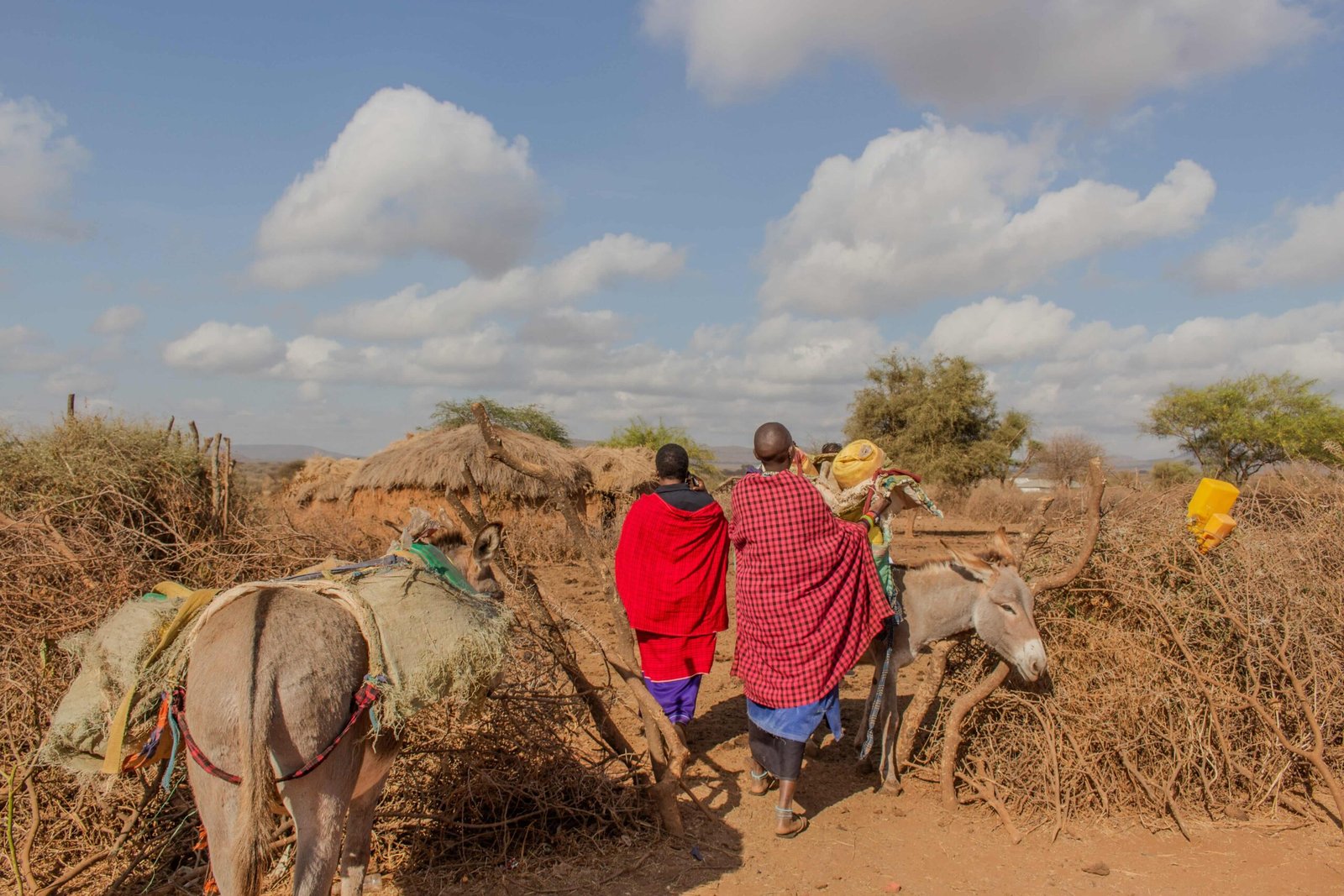
33 mid-depth water boreholes have improved clean and reliable water access for more than 72,000 pastoralist community members and benefited 255,322 livestock. Women and girls no longer have to walk up to 20 kilometers daily to fetch 20 liters of water. Electricity has been extended to three boreholes through engagement with the Rural Energy Agency.
33
Community water boreholes drilled and mechanized
72,000+
Community members with improved water access
255,322
Livestock benefited
Locally Led Climate Action
47 community-led Climate Action Plans have been developed across three pastoralist districts and supported for integration into District Council planning, policy and budgeting frameworks. 231 acres of degraded rangelands have been restored through community-managed Grass Seed Banks, improving vegetation, biodiversity, pasture productivity, women’s livelihoods and household climate resilience.
47
Community-Led Climate Action Plans
231 acres
Degraded Rangelands Restored
3
Pastoralist Districts
National Recognition
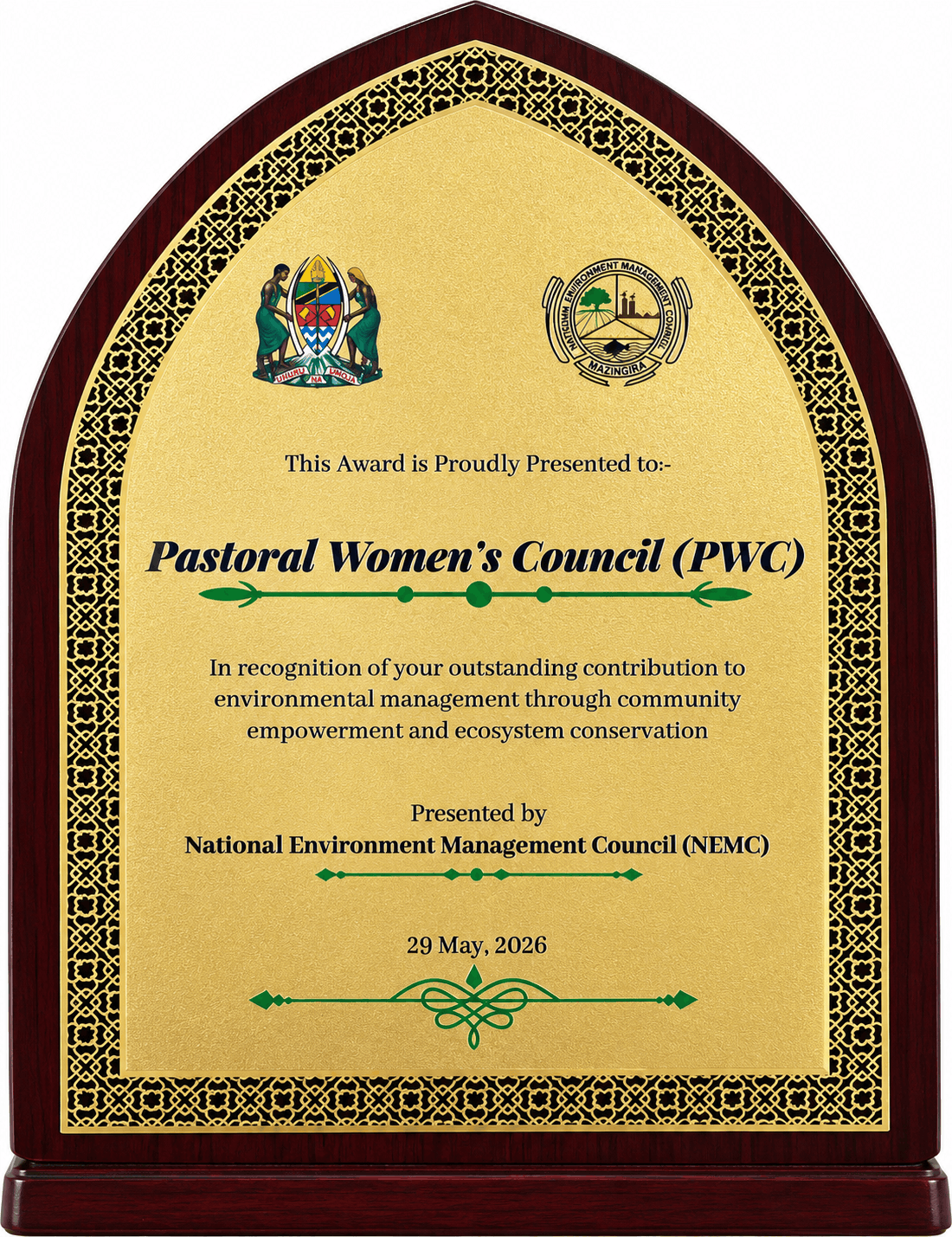
PWC received a National Environment Management Council (NEMC) award on 29 May 2026 for its environmental management and climate resilience work.
Beyond the Numbers
More Than Statistics
Impact is not simply how many people participate in a program. It is a girl who sees education as part of her future. A woman who earns income she can invest in her children and household. A group of women advocating together for access to land or community resources. A village incorporating women’s perspectives into decisions about water, grazing land and climate adaptation. And a generation of women and girls growing up with a stronger expectation that their voices belong in the decisions that affect them.
A Brighter Future for Girls
More girls are staying in school and gaining the skills to shape their own futures.
Stronger Livelihoods
Women are increasing their economic independence and investing in their families.
Greater Voices
Women are participating more in decisions about land, resources and community development.
Women’s Rights. Women’s Leadership
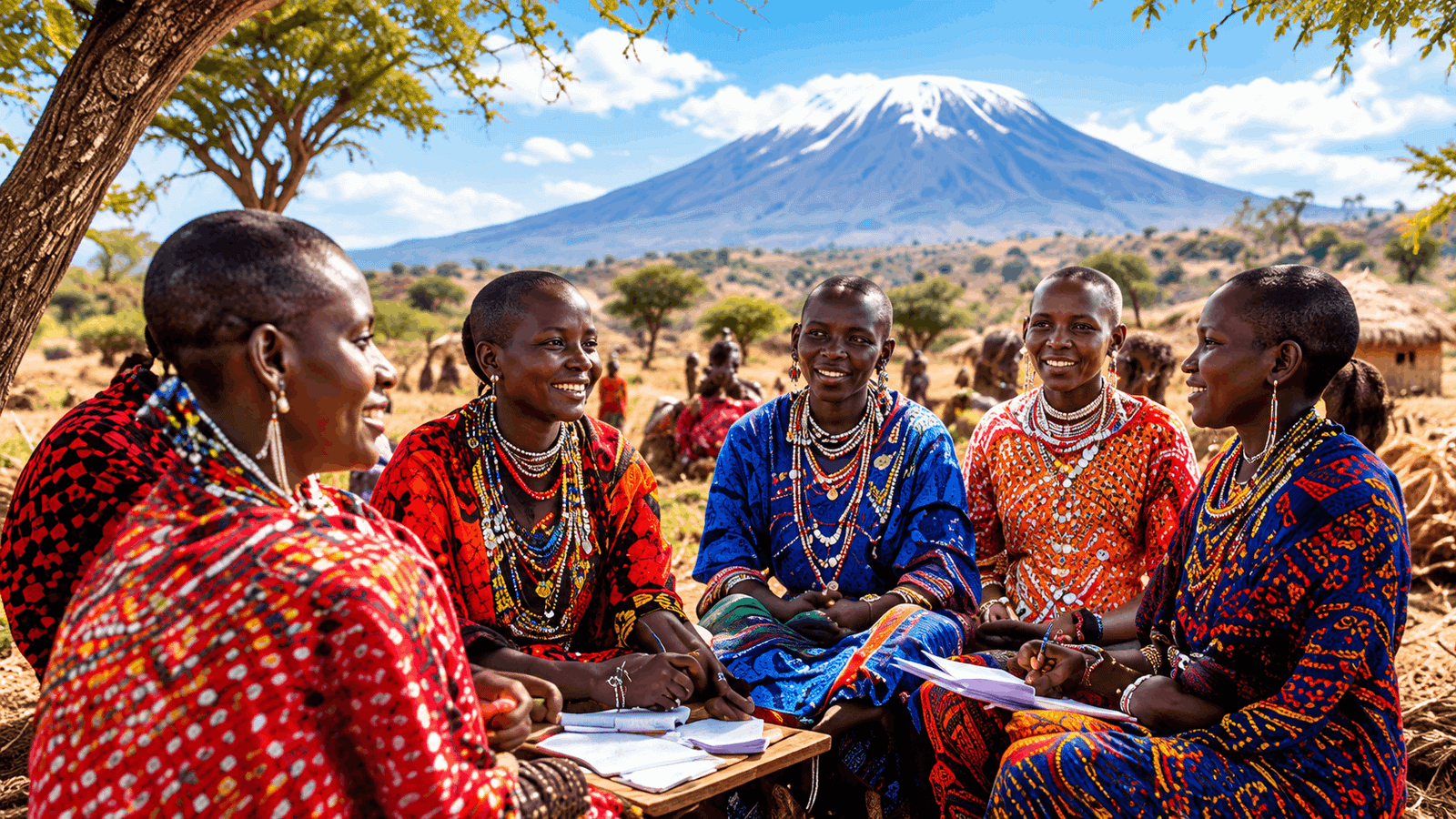
6,000+ Indigenous pastoralist women have been supported to demarcate, title, own and manage land and livestock. Another 6,000+ women have been trained to participate in land governance, natural resource management and civic decision-making, alongside support for the Maasai Conservation Vision.
6,000+
Women supported with land and livestock rights
6,000+
Women trained in land governance and civic decision-making
113
Women Rights and Leadership Forums
166
Community paralegals trained
Change That Multiplies
Connected Solutions
for Stronger Communities
PWC’s programs reinforce one another. Education can expand a girl’s future choices. Economic independence can strengthen a woman’s influence within her household. Secure land rights can protect livelihoods. Leadership opportunities can enable women to advocate for better services and public resources. Together, these changes help build communities that are more equitable, resilient and able to shape their own futures.
The Next Chapter
A Resilient Future,
Led by Communities
PWC continues to deepen its work while responding to emerging challenges—particularly the growing effects of climate change on pastoralist livelihoods. As conditions change, one principle remains constant: lasting solutions are strongest when communities themselves lead the way.
Join the Impact
See the Change in Action
Explore our programs, the communities we support, and the stories of women and girls leading lasting change across northern Tanzania.