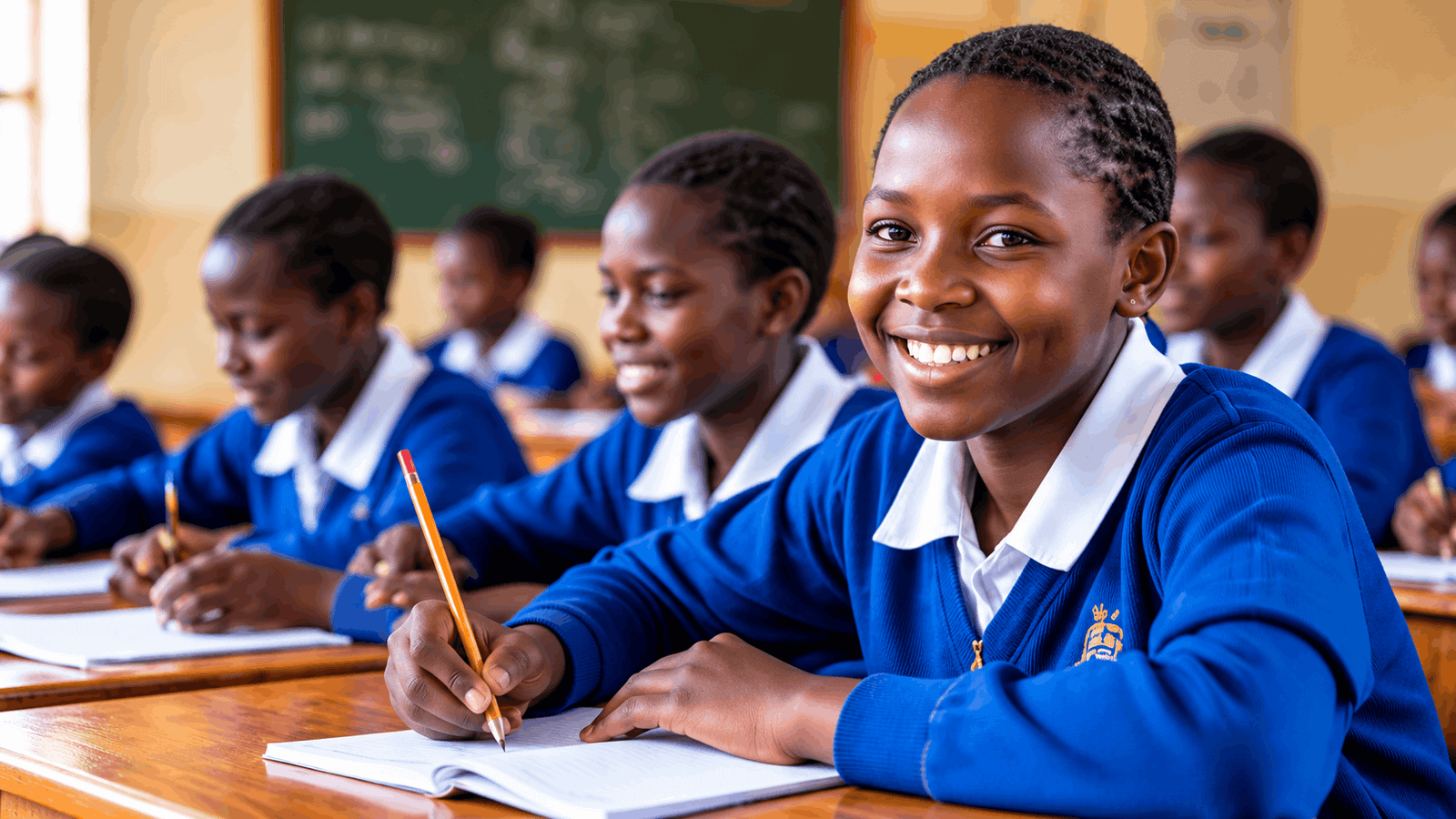
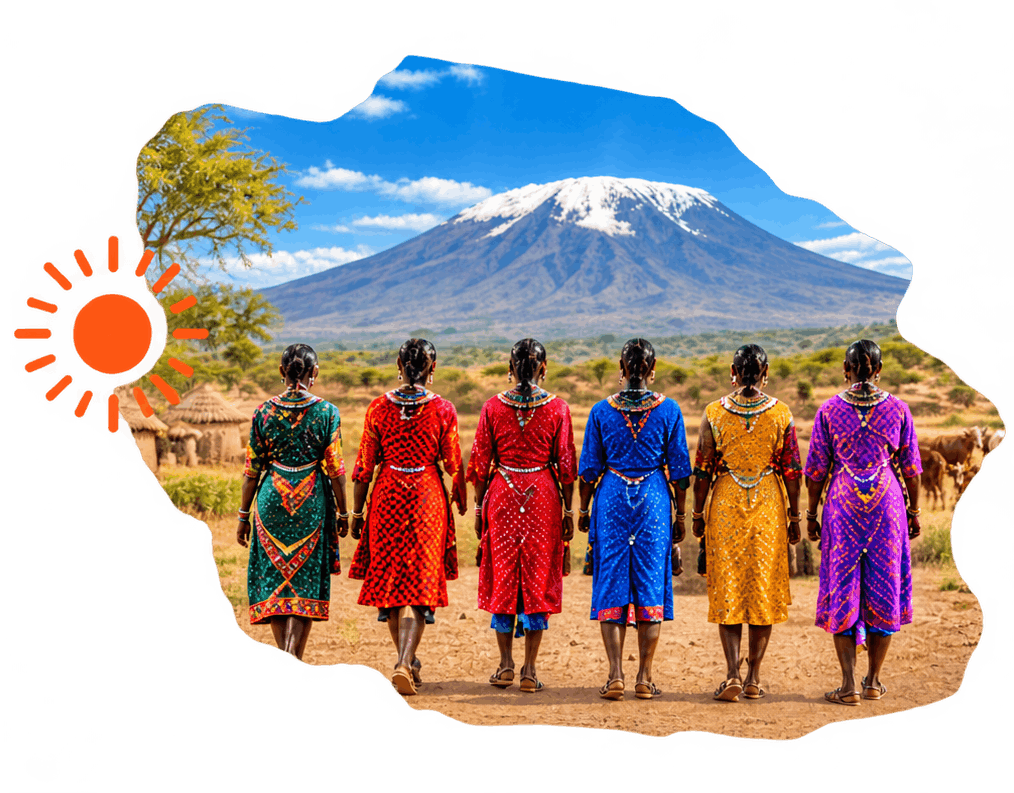
The challenges facing pastoralist women and girls are deeply connected. Education affects economic opportunity. Access to land affects livelihoods. Economic independence can strengthen women’s voice. And climate change increasingly affects all of them. PWC therefore works across four mutually reinforcing areas.
Economic independence gives women greater choice, security and influence within their families and communities. PWC works with pastoralist women to strengthen livelihoods, build financial skills, increase access to savings and credit, and create opportunities to earn and control their own income.
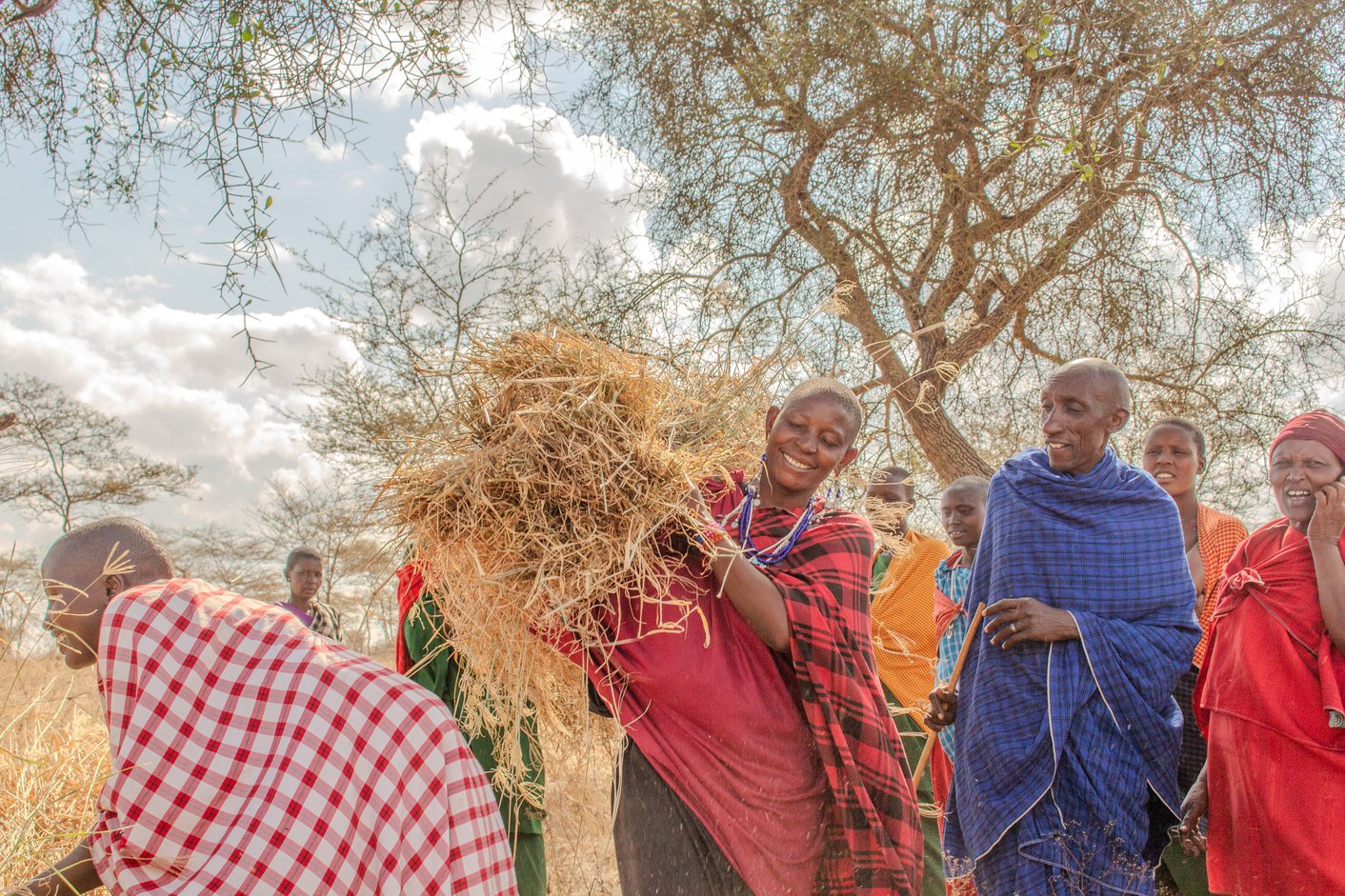
Through women-led savings groups, small businesses, livestock and agricultural initiatives, and other locally designed livelihood programs, women are able to build assets, diversify household income and better withstand economic and climate-related shocks. These opportunities do more than increase earnings: they strengthen women’s confidence, decision-making power and ability to invest in their children’s education, health and future.
By supporting women as entrepreneurs, producers and economic leaders, PWC helps create more resilient households and stronger communities.
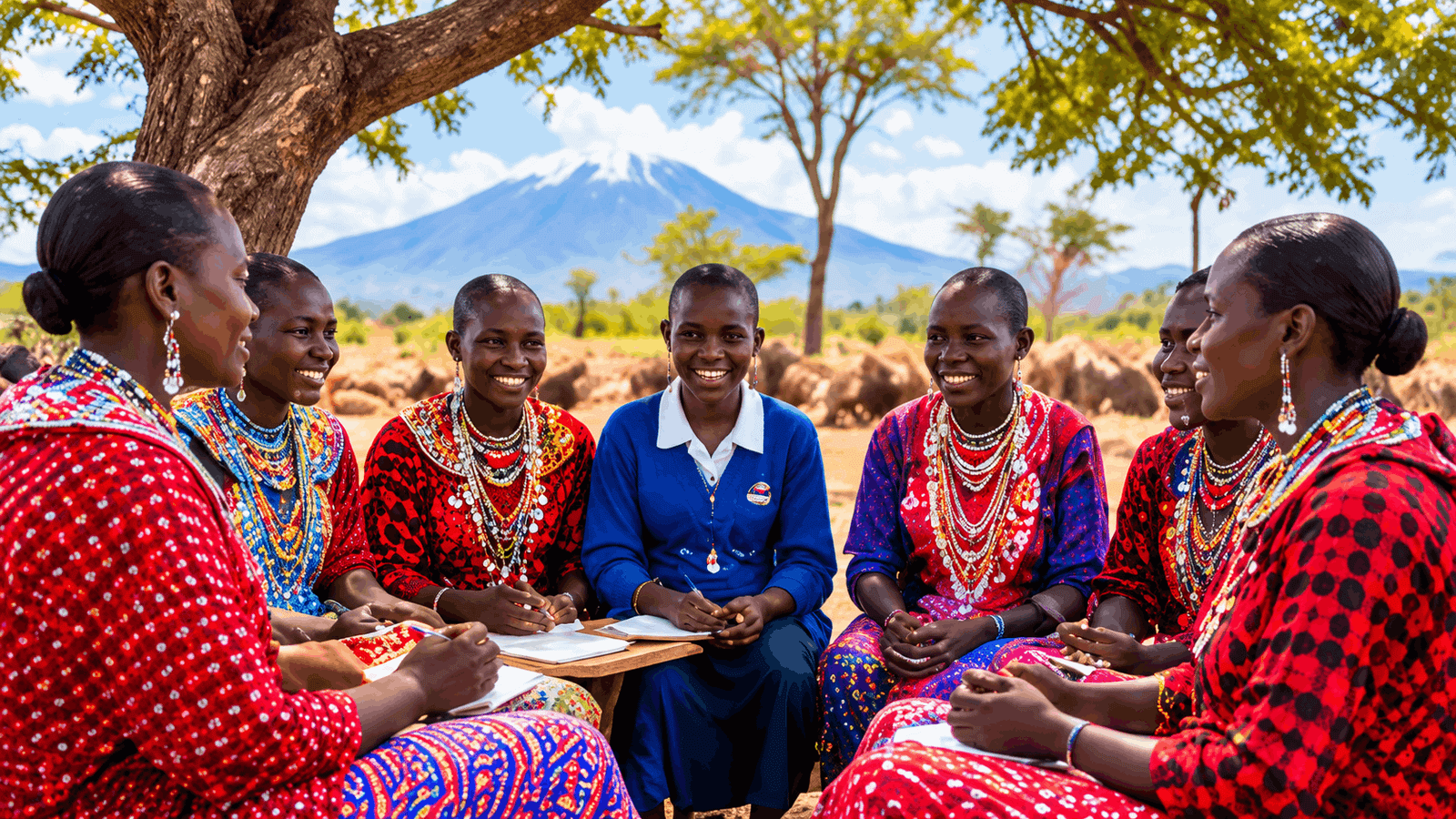
Women are powerful agents of change when they understand their rights and have meaningful opportunities to participate in decision-making. PWC supports women to strengthen their knowledge of land and legal rights, build leadership skills and take a more active role in household, village and public decision-making. This work includes helping women secure land rights—an especially important issue in pastoralist communities, where land is closely tied to economic security, identity and family wellbeing. PWC also creates opportunities for women to organize collectively and advocate around the issues affecting their communities.
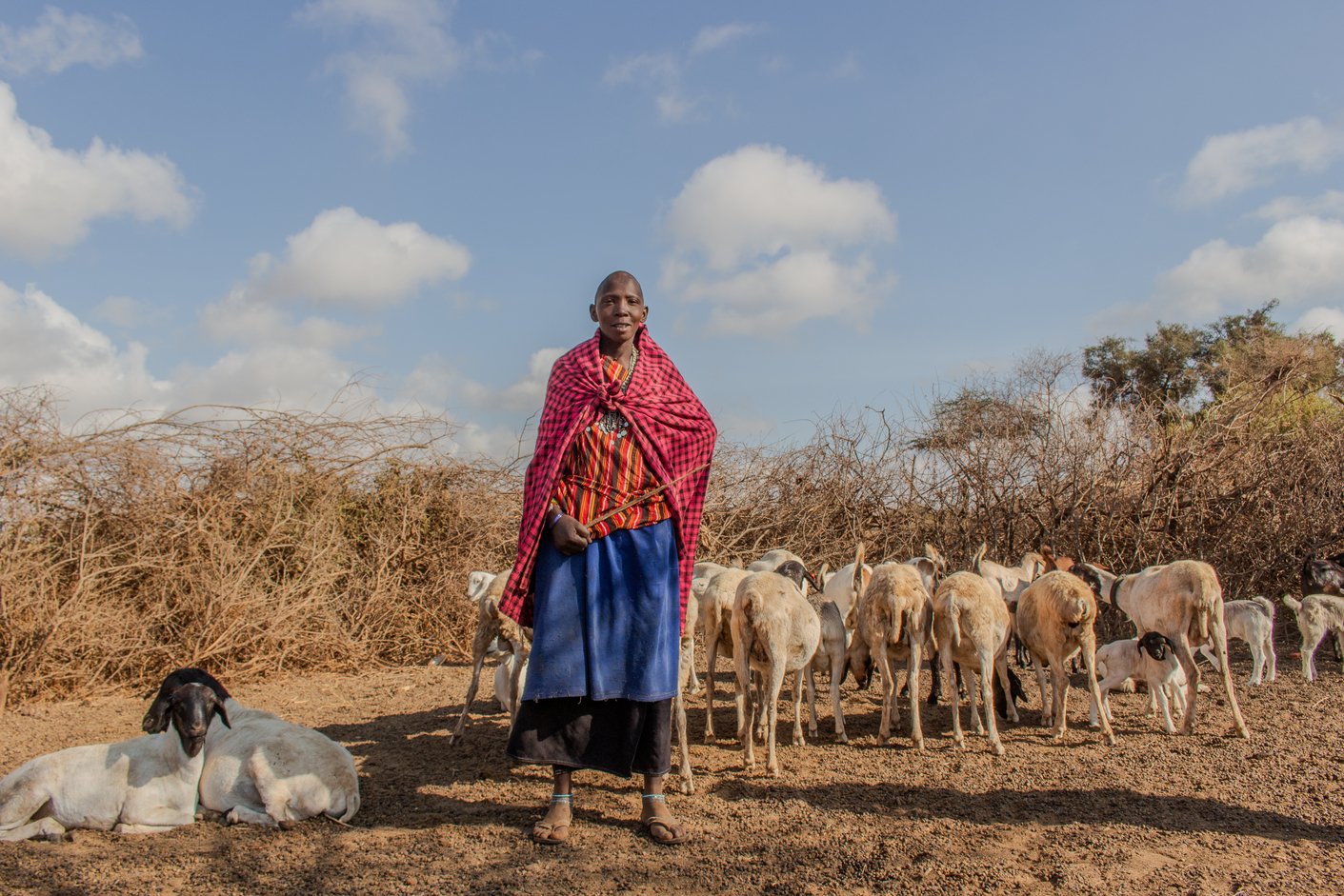
Pastoralist communities are experiencing the effects of climate change firsthand. Drought, unpredictable rainfall, pressure on grazing lands and water scarcity increasingly threaten livestock, food security and household livelihoods. Women often carry a disproportionate share of these pressures while also holding critical knowledge about natural resource management, household resilience, food security, and the sustainable use of land and water.
These four areas are interconnected. Education can expand a girl’s future choices. Economic independence can strengthen a woman’s influence. Secure land rights can protect livelihoods. Climate resilience helps communities adapt and thrive. By working across all four priorities, PWC helps build stronger, more equitable and more resilient communities where women and girls can lead change.